


Tips for Enhancing Indoor Air Quality in Your Home

Breathing clean air at home is something we often take for granted. Yet, indoor air quality plays a huge role in our health and comfort. Especially in the Twin Cities, where weather changes can keep windows shut for long periods, ensuring fresh, clean air inside is essential. Over time, dust, allergens, and pollutants can build up, making the air stale or even harmful. Luckily, there are practical steps you can take to improve the air you and your family breathe every day.
Simple Steps for Enhancing Indoor Air Quality
Improving indoor air quality doesn’t have to be complicated or expensive. Small changes can make a big difference. Here are some straightforward tips that I’ve found effective:
Ventilate regularly: Open windows and doors when weather permits to let fresh air circulate. Even 10-15 minutes a day can help reduce indoor pollutants.
Keep humidity in check: Aim for indoor humidity levels between 30% and 50%. Too much moisture encourages mold growth, while too little can cause dry skin and irritation.
Clean smartly: Use a vacuum with a HEPA filter and dust surfaces often. Avoid harsh chemical cleaners that can release volatile organic compounds (VOCs).
Control sources of pollution: Avoid smoking indoors, limit the use of scented candles or air fresheners, and be mindful of off-gassing from new furniture or paint.
Add houseplants: Certain plants like spider plants and peace lilies can naturally filter some indoor toxins.
By combining these habits, you create a healthier environment that feels fresher and more inviting.

Why Enhancing Indoor Air Quality Matters
Indoor air quality affects more than just how your home smells. It impacts your overall well-being. Poor air quality can trigger allergies, asthma attacks, headaches, and fatigue. For families with children or elderly members, it’s even more critical to maintain clean air.
In the Twin Cities, seasonal changes mean homes are often sealed tight during cold winters and hot summers. This can trap pollutants inside. Dust mites, pet dander, mold spores, and even carbon monoxide from heating systems can accumulate unnoticed. Improving indoor air quality helps reduce these risks and supports better sleep, concentration, and energy levels.
Plus, a home with good air quality feels more comfortable and welcoming. It’s a simple way to boost your quality of life without major renovations.
Do Air Purifiers Dry Indoor Air?
One common question I hear is whether air purifiers dry out the air inside your home. The short answer is no, most air purifiers do not significantly affect indoor humidity levels. Their primary function is to filter out airborne particles like dust, pollen, smoke, and pet dander.
However, some air purifiers use ionizing technology or ozone generators, which can sometimes cause dryness or irritation. It’s best to choose a purifier with a HEPA filter and avoid those that produce ozone. If you notice dry skin or throat irritation after using an air purifier, consider adding a humidifier to balance the moisture in your home.
Maintaining proper humidity alongside air purification creates the best environment for healthy breathing.

Practical Upgrades to Boost Air Quality
Beyond daily habits, there are some upgrades worth considering to enhance your home's air quality:
Upgrade your HVAC filters: Use high-quality filters rated MERV 11 or higher. Change them regularly to trap more pollutants.
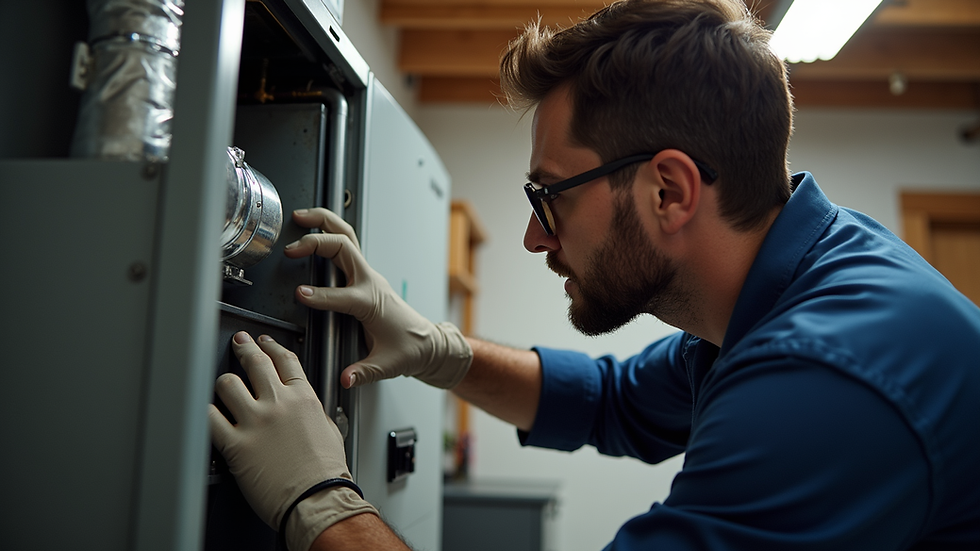
Schedule HVAC maintenance: Clean ducts and check for leaks to prevent dust and mold buildup.
Install a whole-home ventilation system: These systems bring in fresh air while exhausting stale air, balancing indoor air quality year-round.
Use exhaust fans: Run kitchen and bathroom fans during and after cooking or showering to remove moisture and odors.
Consider air quality monitors: These devices track pollutants and humidity, helping you adjust your home environment proactively.
These improvements can make a noticeable difference, especially if you or your family members suffer from allergies or respiratory issues.
How to Maintain Healthy Air Year-Round
Keeping your home’s air fresh is an ongoing process. Here are some tips to maintain good air quality throughout the year:
Seasonal deep cleaning: Wash curtains, clean carpets, and dust vents regularly.
Monitor humidity: Use a hygrometer to keep an eye on moisture levels and adjust with humidifiers or dehumidifiers as needed.
Limit indoor pollutants: Choose low-VOC paints and cleaning products, and avoid smoking indoors.
Keep pets groomed: Regularly bathe and brush pets to reduce dander.
Stay on top of HVAC care: Replace filters every 1-3 months and schedule professional inspections annually.
By staying consistent, you’ll enjoy a healthier home environment no matter the season.
If you want to learn more about how to improve home air quality, there are plenty of resources and experts ready to help guide you.
Creating a Healthier Home Environment
Improving your home's air quality is a gift to yourself and your loved ones. It’s about creating a space where everyone can breathe easier, feel more comfortable, and live healthier lives. Whether you start with simple habits or invest in upgrades, every step counts.
Remember, fresh air is one of the simplest ways to boost your home’s comfort and your family’s well-being. Take the time to care for your indoor environment - your lungs will thank you.
By following these tips and staying mindful of your home's air quality, you can enjoy a fresher, cleaner, and healthier living space all year long.


Comments