


Home HVAC Inspection Cost Guide: Understanding What You’re Paying For
When it comes to keeping your home comfortable year-round, your HVAC system plays a starring role. But like any important system, it needs regular checkups to run smoothly. That’s where an HVAC inspection comes in. If you’re wondering about the home HVAC inspection cost, you’re in the right place. I’ll walk you through what affects the price, what you can expect during an inspection, and how to get the best value for your money.
What Does an HVAC Inspection Cost Guide Look Like?
Understanding the cost of an HVAC inspection can feel a bit confusing at first. Prices vary depending on several factors, but knowing what influences the cost helps you plan better.
Factors That Affect HVAC Inspection Costs
Type of HVAC system: Central air, heat pumps, furnaces, or ductless mini-splits all have different inspection needs.
Age and condition of the system: Older systems might require more detailed checks.
Location and accessibility: If your system is hard to reach, it might take longer to inspect.
Inspection scope: A basic check-up costs less than a comprehensive inspection that includes testing and cleaning.
Technician’s experience and company reputation: More experienced professionals may charge more but often provide better service.
Typical Price Range
On average, an HVAC inspection can cost anywhere from $75 to $300. Some companies offer package deals that include maintenance or minor repairs, which can be a better value.
What’s Included in a Standard HVAC Inspection?
Checking thermostat settings and controls
Inspecting electrical connections and components
Examining the heat exchanger for cracks or damage
Testing system startup and shutdown
Cleaning or replacing air filters
Checking refrigerant levels and looking for leaks
Inspecting ductwork for leaks or blockages

What is the $5000 Rule for HVAC?
You might have heard about the "$5000 rule" when it comes to HVAC systems. This rule is a simple way to decide whether to repair or replace your system.
What Does the $5000 Rule Mean?
If the cost of repairing your HVAC system approaches or exceeds $5000, it’s often more cost-effective to replace the entire system. This rule helps homeowners avoid throwing money into an old system that might fail again soon.
Why $5000?
The average cost of a new HVAC system installation is around $5000 to $7000.
Major repairs can add up quickly, especially if multiple components are failing.
New systems are more energy-efficient, which can save money on utility bills over time.
When to Consider Repair vs. Replacement
If your system is less than 10 years old and the repair is under $5000, fixing it might be the best choice.
For systems older than 10-15 years, replacement is usually recommended.
Frequent breakdowns or rising energy bills are signs it’s time to think about a new system.
How to Prepare for Your HVAC Inspection
Preparing your home and system before the inspection can make the process smoother and possibly reduce costs.
Simple Steps to Get Ready
Clear the area around your HVAC unit: Make sure there’s easy access for the technician.
Replace dirty air filters: This helps the system run better and gives a clearer picture of its condition.
Note any issues: Write down any strange noises, smells, or performance problems you’ve noticed.
Check your thermostat settings: Ensure it’s working properly and set to your comfort preferences.
Have your system’s maintenance history ready: This helps the technician understand past issues or repairs.
What to Expect During the Inspection
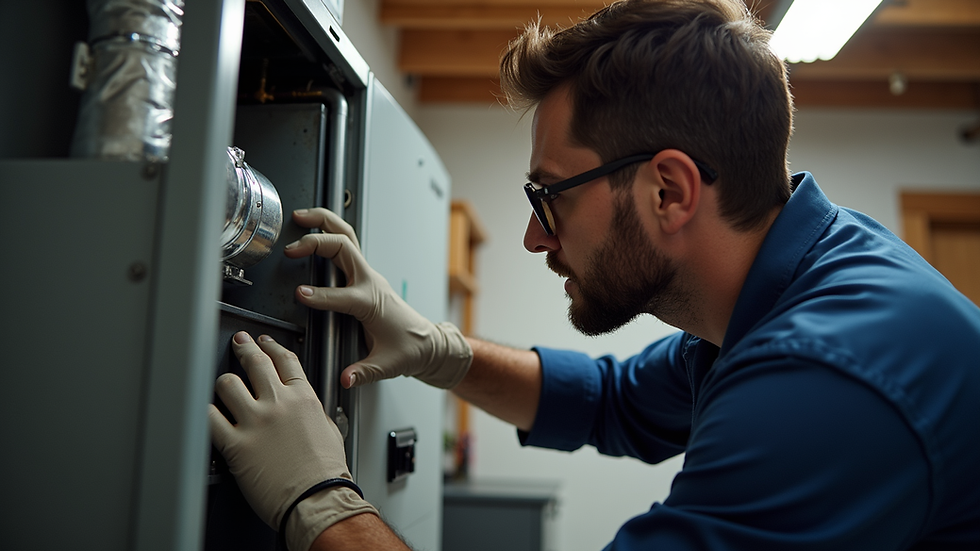
The technician will perform a thorough check, which usually takes 1 to 2 hours. They’ll test the system’s components, look for safety hazards, and may provide recommendations for repairs or maintenance.

Tips to Save on HVAC Inspection Costs
Getting the most value from your inspection doesn’t mean you have to spend a fortune. Here are some practical tips:
Schedule inspections during off-peak seasons: Spring and fall are ideal times, and prices may be lower.
Bundle services: Combine inspection with routine maintenance or filter replacement.
Ask about discounts: Some companies offer discounts for first-time customers, seniors, or military personnel.
Choose a reputable local company: They often provide fair pricing and personalized service.
Regular maintenance: Keeping your system in good shape reduces the chance of costly repairs.
Why Regular HVAC Inspections Matter
Regular inspections are more than just a cost - they’re an investment in your home’s comfort and safety.
Benefits of Routine HVAC Inspections
Improved energy efficiency: A well-maintained system uses less energy, saving you money.
Extended system lifespan: Catching small issues early prevents major breakdowns.
Better indoor air quality: Clean filters and ducts reduce allergens and dust.
Increased safety: Inspections can detect carbon monoxide leaks or electrical hazards.
Peace of mind: Knowing your system is in good shape helps you avoid unexpected failures.
How Often Should You Schedule Inspections?
Most experts recommend an HVAC inspection at least once a year. For homes with older systems or heavy usage, twice a year is ideal.
Making the Most of Your HVAC Inspection
When the technician arrives, don’t hesitate to ask questions. Understanding your system better helps you make informed decisions.
Questions to Ask Your HVAC Technician
What is the overall condition of my system?
Are there any parts that need immediate attention?
How can I improve my system’s efficiency?
What maintenance tasks can I do myself?
When should I schedule the next inspection?
After the Inspection
Review the technician’s report carefully. If repairs are recommended, ask for a detailed estimate and prioritize based on urgency and budget.
Getting a clear picture of your HVAC system’s health is essential for comfort and savings. By understanding the factors behind the home HVAC inspection cost, you can plan wisely and keep your home cozy all year long. Regular inspections not only protect your investment but also give you peace of mind knowing your system is running safely and efficiently. Take the time to schedule your next inspection soon - your home will thank you!


Comments