


Effective Ways to Improve Home Air Quality: Indoor Air Quality Tips for a Healthier Home

When it comes to creating a comfortable and healthy living space, the quality of the air inside your home plays a huge role. Poor indoor air quality can affect your health, comfort, and even your energy bills. Luckily, there are many effective ways to improve home air quality that are simple, affordable, and practical. In this post, I’ll share some of the best indoor air quality tips that can help you breathe easier and feel better every day.
Why Indoor Air Quality Tips Matter
Indoor air quality is often overlooked, but it’s just as important as the temperature or cleanliness of your home. The air inside can contain pollutants like dust, pet dander, mold spores, and chemicals from household products. These contaminants can trigger allergies, asthma, headaches, and fatigue.
Improving your home’s air quality means reducing these pollutants and increasing fresh air circulation. This not only protects your health but also helps your HVAC system work more efficiently, saving you money in the long run. Plus, a home with clean air just feels more inviting and comfortable.
Practical Indoor Air Quality Tips You Can Start Today
Here are some straightforward steps you can take to improve the air quality in your home:
Keep Your Home Clean and Dust-Free
Regular cleaning reduces dust, pet hair, and other allergens. Use a vacuum with a HEPA filter and mop floors often. Don’t forget to clean curtains, upholstery, and bedding regularly.
Control Humidity Levels
High humidity encourages mold and dust mites. Aim to keep indoor humidity between 30% and 50%. Use a dehumidifier in damp areas like basements, and fix leaks promptly.
Ventilate Properly
Open windows when weather permits to let fresh air in. Use exhaust fans in kitchens and bathrooms to remove moisture and odors. Proper ventilation helps dilute indoor pollutants.
Choose Low-VOC Products
Many paints, cleaners, and furniture release volatile organic compounds (VOCs) that can harm air quality. Opt for low-VOC or natural products whenever possible.
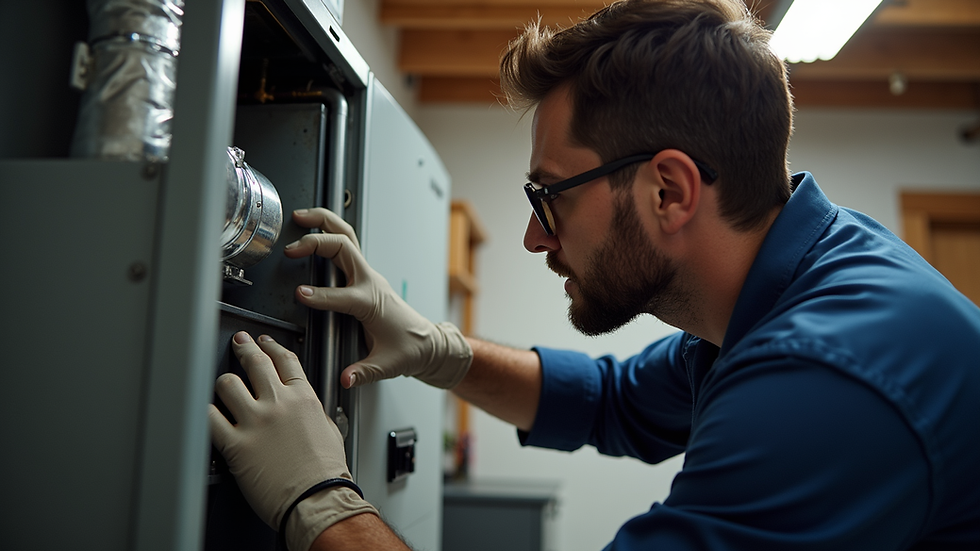
Maintain Your HVAC System
Change air filters regularly and schedule professional HVAC maintenance. Clean ducts and vents to prevent dust buildup and ensure efficient airflow.
Add Indoor Plants
Certain houseplants can help filter toxins from the air naturally. Spider plants, snake plants, and peace lilies are great options to consider.
Avoid Smoking Indoors
Tobacco smoke contains harmful chemicals that linger in the air. Keep your home smoke-free to protect everyone’s health.
By following these tips, you can create a healthier environment for you and your family.

What Are the Symptoms of Poor Air Quality in a House?
Recognizing the signs of poor indoor air quality can help you take action before health issues worsen. Here are some common symptoms you might notice:
Frequent Allergies or Respiratory Issues
Sneezing, coughing, itchy eyes, or worsening asthma symptoms can all be linked to indoor pollutants.
Unpleasant Odors
Musty or stale smells often indicate mold or poor ventilation.
Excessive Dust or Dirt
If dust seems to settle quickly or surfaces get dirty fast, it could mean your air filters or ventilation need attention.
Headaches or Fatigue
Poor air quality can cause headaches, dizziness, or tiredness, especially if you spend a lot of time indoors.
Visible Mold or Mildew
Mold growth on walls, ceilings, or around windows is a clear sign of moisture problems affecting air quality.
If you notice any of these symptoms, it’s a good idea to evaluate your home’s air quality and take steps to improve it.
How to Improve Home Air Quality with HVAC and Ventilation
Your heating, ventilation, and air conditioning (HVAC) system plays a crucial role in maintaining good indoor air quality. Here’s how you can optimize it:
Regular Filter Replacement
Change your HVAC filters every 1-3 months depending on usage. High-efficiency particulate air (HEPA) filters capture more pollutants.
Professional HVAC Maintenance
Schedule annual inspections and cleanings to keep your system running smoothly and efficiently.
Upgrade Your System
If your HVAC is old, consider upgrading to a newer model with better filtration and ventilation features.
Use Air Purifiers
Portable air purifiers with HEPA filters can supplement your HVAC system, especially in bedrooms or high-use areas.
Improve Ventilation
Mechanical ventilation systems like energy recovery ventilators (ERVs) or heat recovery ventilators (HRVs) bring in fresh air while conserving energy.
By taking care of your HVAC system and ensuring proper ventilation, you can significantly reduce indoor air pollutants.

Additional Lifestyle Changes to Support Clean Air
Beyond cleaning and HVAC care, some lifestyle habits can help keep your home’s air fresh:
Limit Use of Scented Products
Air fresheners, candles, and sprays often contain chemicals that reduce air quality. Choose unscented or natural alternatives.
Store Chemicals Safely
Keep paints, solvents, and cleaning products in well-ventilated areas or outside the living space.
Dry Clothes Outside
Indoor drying can increase humidity and mold risk. Use a dryer vented outside or dry clothes outdoors when possible.
Keep Pets Groomed
Regular pet baths and grooming reduce dander and hair in the air.
Test for Radon
Radon is a naturally occurring gas that can enter homes and affect air quality. Testing kits are affordable and easy to use.
These small changes add up to a big difference in the air you breathe every day.
Taking the Next Step for a Healthier Home
Improving your home’s air quality is a journey, but it’s one worth taking. By combining regular cleaning, smart ventilation, HVAC maintenance, and mindful lifestyle choices, you can create a space that feels fresh, safe, and welcoming.
If you want to learn more about how to improve home air quality, there are plenty of resources and professionals ready to help. Remember, clean air is the foundation of a comfortable home, and investing in it benefits your health and happiness for years to come.


Comments